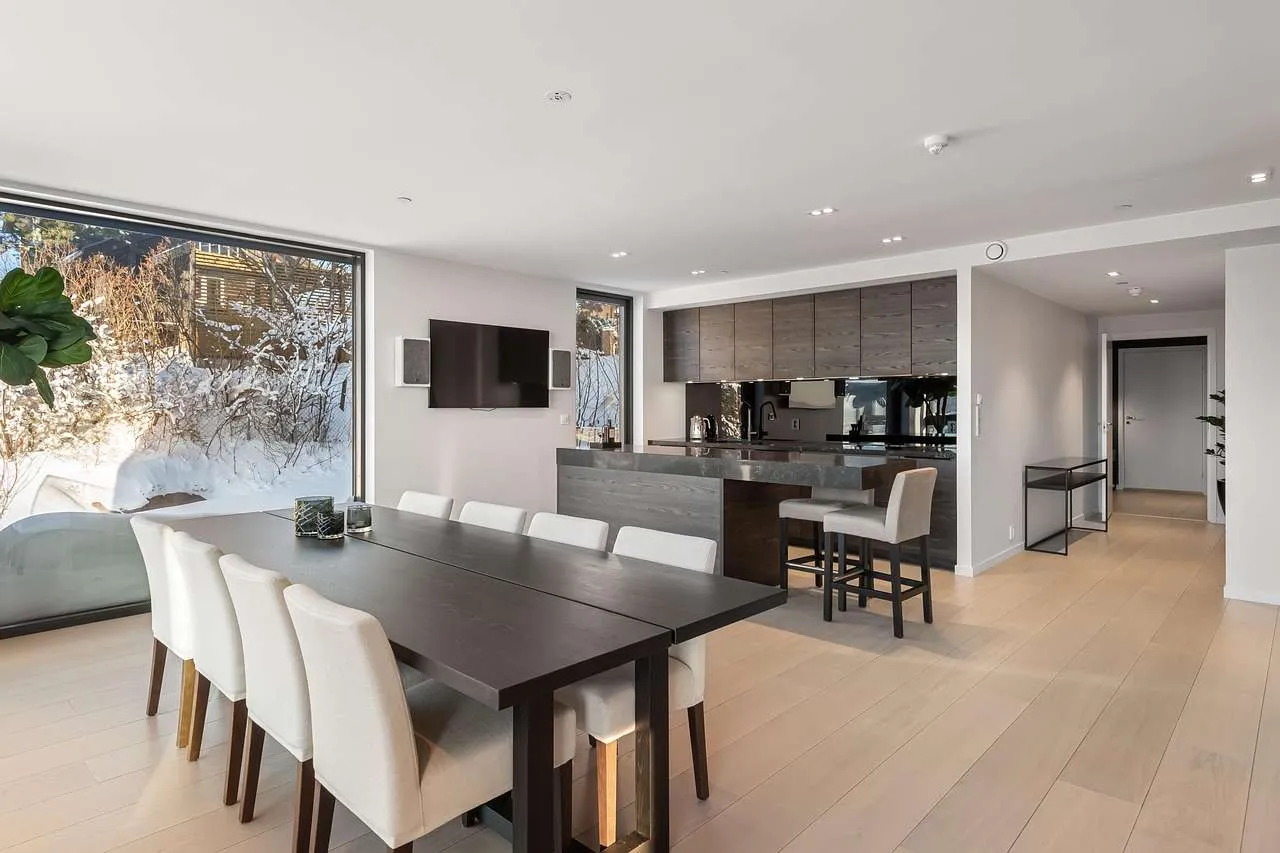
Home window tinting is the process of applying a thin film to interior or exterior glass to reduce heat gain, block UV rays, and enhance privacy. When chosen thoughtfully, tinting can improve comfort, protect furnishings, and curb energy costs without compromising natural light.
Benefits of home window tinting
Energy efficiency: Films reduce solar heat entering rooms, helping your air conditioner work less and lower utility bills over time.
UV protection: Most window films block up to 99% of harmful UV rays, helping prevent fading of carpets, furniture, and artwork—and protecting occupants from UV exposure.
Glare reduction and comfort: Reducing glare makes living and working spaces more pleasant, especially in rooms with large windows or direct sun.
Privacy and safety: Moderate-tint films provide daytime privacy and can hold glass together longer in impact events, depending on film type.
Protection for interiors: By limiting heat and UV exposure, tinting can extend the life of flooring and furnishings while maintaining daylight.
Types of home window tint
Dyed window film
Dyed films use a color layer to absorb solar energy. They are affordable and improve privacy, but may fade and offer moderate UV rejection; avoid very dark grades in regions with intense sun.
Metalized window film
Metalized films reflect heat with metal particles, increasing heat rejection and strength. They can interfere with electronics and create reflectivity issues; some homeowners dislike the shiny appearance.
Ceramic window film
Ceramic films use nanoceramic particles to reject heat without metal layers. They maintain clarity, offer excellent UV and IR rejection, and do not interfere with signals. This is a popular premium option for homes.
Carbon window film
Carbon films provide shading without a metallic look, offering good heat rejection and color stability. They resist fading and retain a natural appearance over time.
Hybrid and other options
Hybrid films combine dye and metal or ceramic layers to balance cost and performance. They can deliver good heat rejection and nicer aesthetics with fewer drawbacks than some single-layer options.
Choosing the right tint for your home
- Visible Light Transmission (VLT): Higher VLT means more natural light; lower VLT means darker tint and more privacy.
- Infrared (IR) rejection: Measures how well the film blocks heat; higher IR rejection yields cooler interiors.
- Ultraviolet (UV) protection: Ideally blocks 99%+ of UV rays to protect interiors and skin.
- Color and clarity: Choose a tint that complements your home’s exterior and interior design while maintaining clear views.
- Legal and homeowners’ association rules: Check local laws and HOA guidelines on tint darkness.
- Installation and warranty: Confirm installation by certified technicians and what warranties are offered for film and glass.
DIY vs professional installation
While DIY tint kits exist, window tinting is challenging: you must clean glass precisely, trim film to size, and avoid air bubbles or creases. Professional installation usually ensures better adhesion, uniform appearance, and a warranty. Some films require heat curing or specialized tools, especially on larger panes or curved glass.
Cost, ROI, and maintenance
Costs vary by film type and window area. Dyed films are the most affordable, while ceramic and carbon films are premium options. Expect installation charges plus material costs; ROI comes from energy savings, furniture protection, and increased comfort. Maintenance is simple: wipe with a non-abrasive cleaner and avoid harsh chemicals that could degrade coatings.
Tint types at a glance
| Tint Type | Heat Rejection | UV Rejection | Glare Reduction | Privacy | Cost | Longevity |
| Dyed film | Moderate | Good | Moderate | Low to moderate | Low | Medium |
| Metalized film | High | Very good | High glare | Moderate | Medium | Medium-High |
| Ceramic film | Very high | Excellent | Excellent | High | Premium | Long |
| Carbon film | High | Excellent | Good | High | Medium-High | Long |
| Hybrid film | High | Very good | Good | Moderate to high | Medium | Long |
Conclusion and next steps
Conclusion, selecting the right home window tinting involves balancing performance, aesthetics, and budget. Start by identifying priorities—heat reduction, UV protection, visibility, and privacy—then compare tint types, check local regulations, and seek professional installation to maximize durability and warranty coverage. With proper choosing and installation, home window tinting can deliver years of comfort and value.