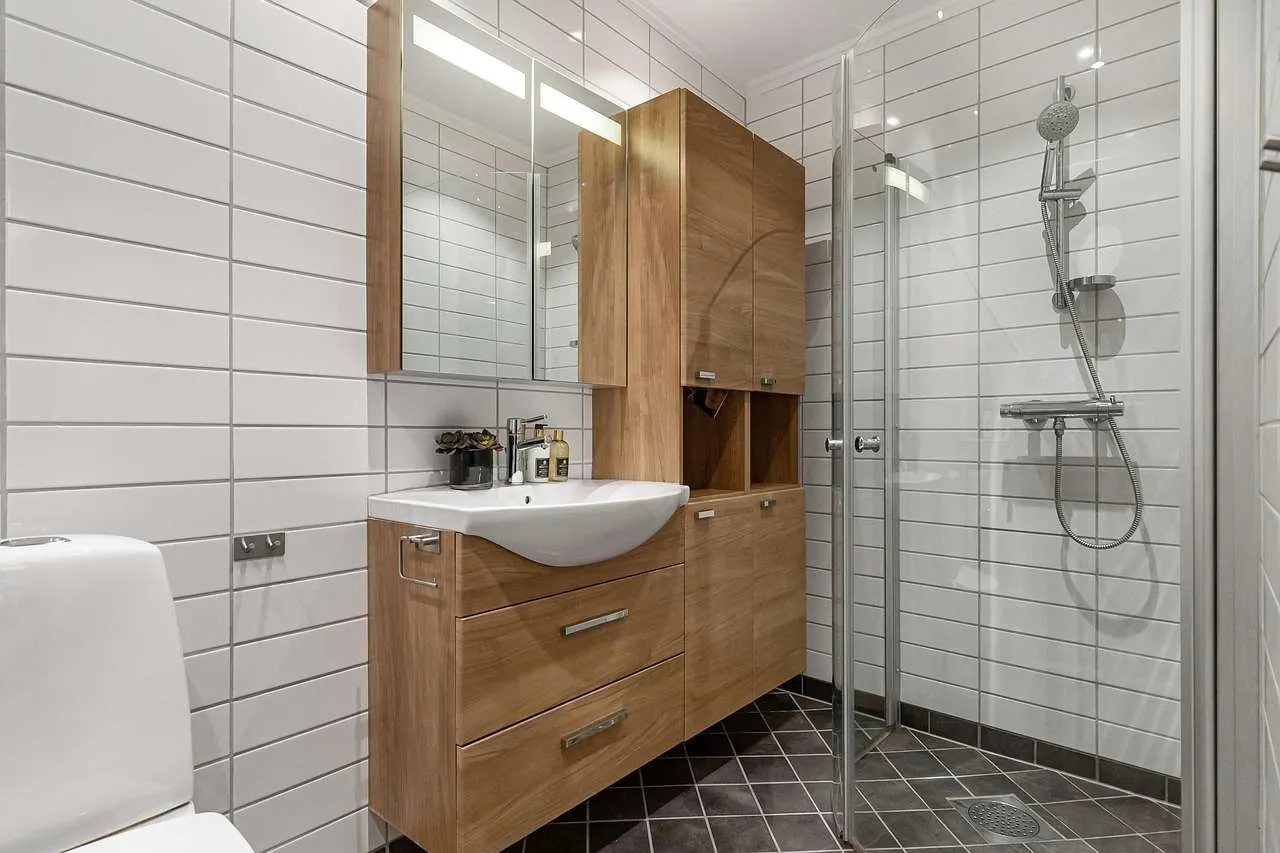
Designing a small bathroom demands a balance of function, aesthetics, and smart planning. This guide consolidates practical small bathroom ideas rooted in space-saving principles, durable materials, and timeless style. Drawing on established design best practices, the tips below help you create a room that feels larger, stays organized, and remains easy to maintain. Always consider coordinating with licensed professionals for plumbing, ventilation, and electrical work to ensure safety and lasting results.
Understanding the Challenges and Goals
In compact bathrooms, every inch matters. The goal is to maximize usable space without sacrificing comfort. Priorities typically include: expanding perceived space with light and mirrors, increasing storage without clutter, and choosing fixtures that are proportional to the room. Start by measuring accurately, then map zones for sink, toilet, and shower to minimize overlap. This approach aligns with professional design methods that emphasize flow, light, and accessibility.
Space-Saving Layouts
Pocket Doors
Replacing a hinged door with a pocket door can free several inches of doorway clearance, making the space feel more open and reducing the risk of bumping into door hardware in a narrow layout. This is especially valuable in corridor-style bathrooms or en-suites where every square inch counts.
Floating Vanities
A vanity that mounts to the wall creates an illusion of more floor space, improves cleaning access, and allows lighting or storage behind the vanity if needed. Choose a shallow depth and a compact sink to keep the footprint minimal while preserving storage in tall cabinetry elsewhere.
Shower Enclosures and Wet Rooms
Consider a frameless glass shower or a recessed shower with a clear enclosure to visually expand the room. If water containment is a concern, a curved or corner shower door reduces obstruction. For ultra-tight bathrooms, a compact cubicle or a well-designed wet room can maximize usable space.
Corner and Recessed Storage
Install recessed niches in the shower and above the vanity to store toiletries without protruding shelves. Corner shelves or slim cabinets keep items at hand while preserving floor space. Hidden storage helps maintain a clean, expansive feel.
Storage and Fixtures that Work Harder
- Vertical medicine cabinets with mirrored fronts pair function and reflection, increasing both storage and light.
- Pull-out organizers inside drawers maximize every inch of storage in a compact vanity.
- Over-toilet shelving or cabinet towers utilize often wasted wall space for towels and essentials.
- Recessed lighting and LED strips under cabinets reduce shadows, making the room feel larger.
Materials, Lighting, and Color
Light colors reflect more light, making a small bathroom feel airy. Choose pale neutrals, cool whites, or soft pastels with matte or glossy finishes for accents. Use large-format porcelain or ceramic tiles with minimal grout lines to create a seamless look. For lighting, combine vanity lighting with ambient ceiling lights and incorporate mirrors with integrated LEDs to boost brightness without adding clutter.
Smart and Budget-Friendly Ideas
Small changes can yield big rewards without a full remodel. Swap a bulky vanity for a compact model, add a tall, slim cabinet, or install a back-lit mirror to brighten the space. Opt for multi-functional items, such as a vanity with integrated storage or a shower bench that folds away. When budgeting, prioritize items that deliver daily value: a leak-free toilet, efficient ventilation, and durable, easy-to-clean surfaces.
Comparison of Small Bathroom Ideas
| Idea | Benefits | Drawbacks | Typical Cost |
|---|---|---|---|
| Pocket Door | Maximizes floor space, smoother traffic flow | Higher installation complexity | 500-2,000 |
| Floating Vanity | Airier feel, easier cleaning, adjustable storage | Could reduce under-vanity storage | 600-2,000 |
| Recessed Shelves | Keeps items at hand without protrusion | Carpentry and waterproofing considerations | 200-800 |
| Large Mirror with Lighting | Improves brightness, visually enlarges space | Fingerprints show; requires electrical work | 150-600 |
Implementation Checklist
- Measure precisely and sketch a scaled layout
- Prioritize one or two wow elements (pocket door, large mirror, recessed storage)
- Choose fixtures with compact footprints and integrated storage
- Use light colors and reflective surfaces to multiply perceived space
- Consult licensed professionals for plumbing, electrical, and waterproofing work
Conclusion
To create a small bathroom that feels larger, combine smart layouts, clever storage, and light-reflective finishes. By prioritizing what matters and choosing durable, easy-to-maintain fixtures, you can achieve both function and style in a compact space.
Summary: This guide covers space-saving layouts, storage strategies, and material choices that deliver a functional, stylish small bathroom. By blending pocket doors, floating vanities, recessed storage, and thoughtful lighting, you can maximize every square inch while maintaining durability and ease of maintenance. For best results, work with professionals to ensure proper installation and long-term performance.